Table of Contents
ToggleIntroduction to Neural Interfaces
Neural Interfaces 2025 are at the forefront of human-computer interaction, creating direct pathways between the brain and external devices. This technology is revolutionizing how we control machines, interact with virtual environments, and communicate, bridging the gap between thought and action.
What Are Neural Interfaces?
A neural interface, also called a brain-computer interface (BCI), is a system that detects neural activity and translates it into commands for computers or machines. These interfaces allow users to control devices without physical input, enhancing accessibility and performance in multiple domains.
How Neural Interfaces Work
Brain-Computer Interfaces (BCIs)
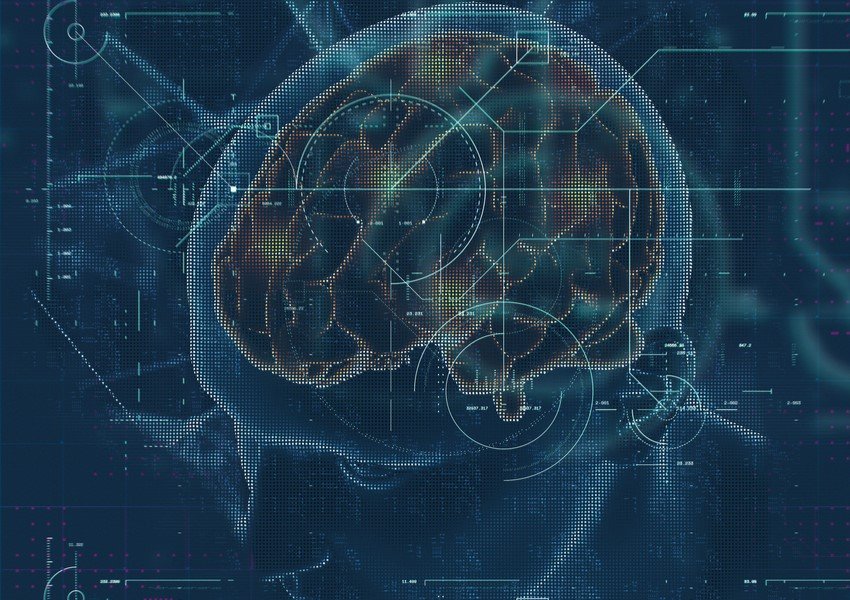
BCIs detect electrical signals from the brain using electrodes or sensors. Algorithms interpret these signals to control devices, from prosthetic limbs to drones.
Non-invasive vs Invasive Methods
Non-invasive: EEG or fNIRS sensors placed on the scalp; safe but with lower signal precision
Invasive: Implanted electrodes; highly precise signals for advanced prosthetics or research
Neural Interfaces vs Traditional Controls
| Feature | Traditional Controls | Neural Interfaces 2025 |
|---|---|---|
| Input | Physical (keyboard, mouse) | Neural activity (brain signals) |
| Speed | Limited by manual interaction | Near-instantaneous thought translation |
| Accessibility | Standard devices | Enables mobility-impaired control |
| Integration | Devices only | Prosthetics, VR, AI systems |
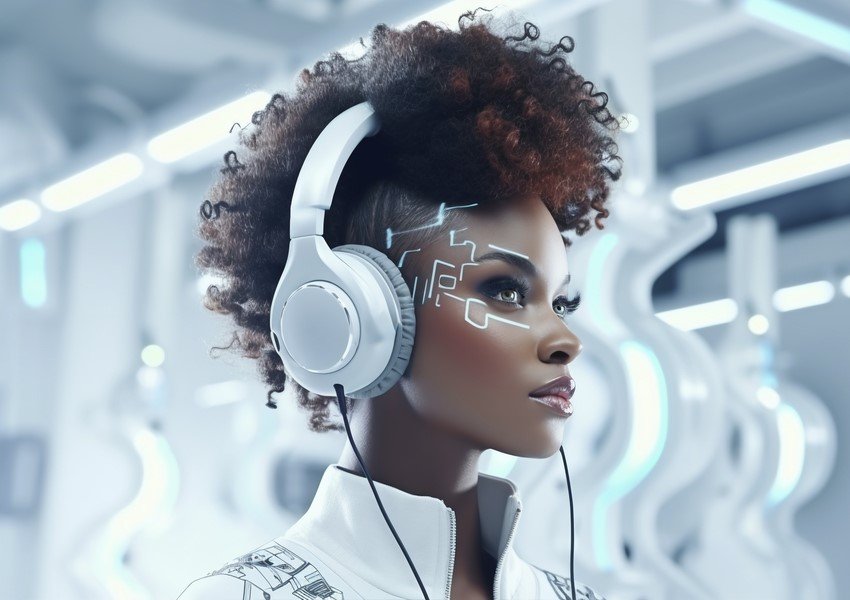
Applications in 2025
Medical and Prosthetics
Direct control of robotic limbs
Rehabilitation for stroke or paralysis patients
Real-time monitoring of neural health
Gaming and Virtual Reality
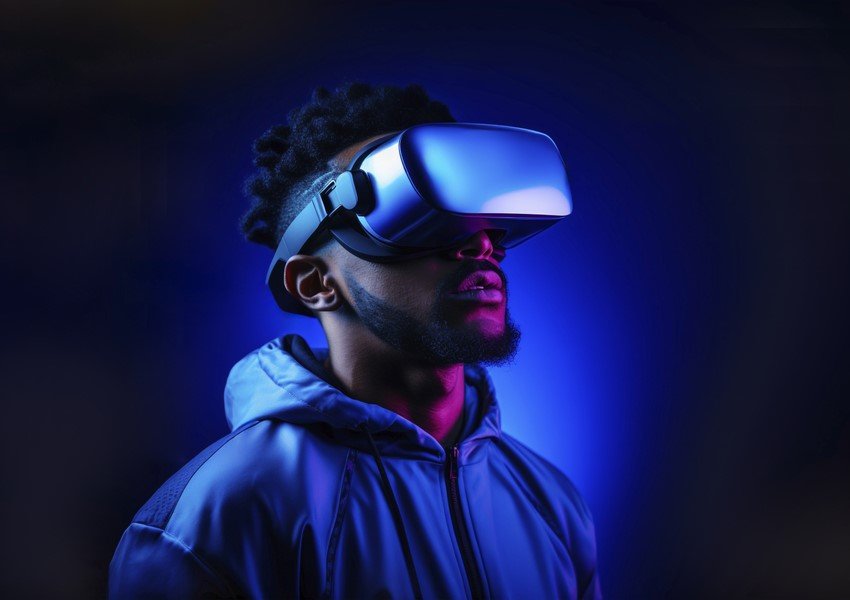
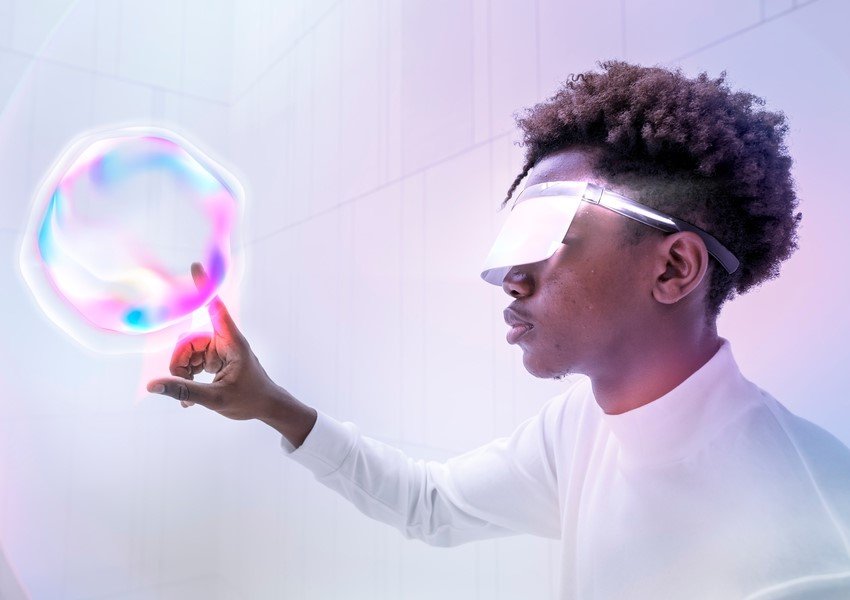
Immersive VR experiences controlled by thought
Enhanced responsiveness in simulation environments
Communication and Accessibility
Brain-to-text systems
Hands-free device operation
AI-assisted thought interpretation
AI Integration
Neural interfaces enable direct AI collaboration
Predictive assistance for complex tasks
Cognitive augmentation for high-performance users
Key Technologies Driving Neural Interfaces
Advanced neural sensors with high-resolution detection
AI algorithms for signal interpretation
Wireless and miniaturized implants
Neurofeedback systems for training and calibration
Integration with cloud computing for enhanced processing
Ethical Considerations and Safety
Privacy of neural data
Potential misuse of thought-controlled devices
Long-term safety of implants
Equity in access to advanced neural technologies
Leading Companies and Research Projects
Neuralink: High-profile invasive BCIs
Synchron: Minimally invasive neural interfaces
Facebook Reality Labs / Meta: Non-invasive communication interfaces
Academic Labs: MIT, Stanford, University of Oxford
External DoFollow Links:
Challenges and Limitations
High cost of development
Limited signal accuracy for non-invasive methods
Data privacy and cybersecurity risks
Regulatory and ethical approval hurdles
The Future of Neural Interfaces
By 2030, Neural Interfaces 2025 are expected to:
Enable seamless human-machine interaction
Transform healthcare, gaming, and workplace efficiency
Integrate AI to enhance cognitive capabilities
Lay the foundation for thought-driven communication systems
Conclusion
Neural Interfaces 2025 are redefining the boundaries between humans and machines. As technology evolves, we move closer to a world where thoughts directly control devices, enhancing capabilities, accessibility, and connectivity.
Early adopters and researchers who understand neural interfaces today will shape the future of human-computer interaction.

“In 2025, cybersecurity is no longer a shield—it is an intelligent force that anticipates the enemy before the attack even exists.”
– Aires Candido