The Consumer Electronics Show (CES) 2026 once again proved why it is the most influential technology event in the world. As the global stage where innovation meets reality, CES 2026 unveiled future technologies that will change everything, redefining how we live, work, communicate, and interact with the digital world.
From artificial intelligence breakthroughs to next-generation devices, CES 2026 showcased technologies that are no longer concepts—but solutions ready to reshape everyday life and entire industries. In this first part of our four-part series, we explore the big picture of CES 2026, the dominant themes, and the most impactful technological trends that will define the coming decade.
Table of Contents
ToggleWhy CES 2026 Matters More Than Ever
CES has always been a glimpse into the future, but CES 2026 marked a turning point. Unlike previous years, where innovation focused mainly on incremental upgrades, this edition emphasized system-level transformation.
Key reasons CES 2026 stands out:
Artificial intelligence moved from tools to autonomous decision systems
Hardware and software integration reached new levels
Technology became more human-centric, adaptive, and contextual
Sustainability and efficiency became core design principles
CES 2026 did not just present gadgets—it revealed ecosystems designed to solve real-world problems.
External reference: Official CES Overview
Artificial Intelligence as the Core of Everything
If one theme dominated CES 2026, it was AI everywhere. Artificial intelligence was no longer a feature—it was the foundation.
AI Beyond Automation
At CES 2026, AI systems demonstrated:
Advanced reasoning and contextual awareness
Multimodal understanding (text, voice, image, video, and sensor data)
Real-time learning and adaptation
These AI systems can now anticipate user needs, not just respond to commands.
Examples showcased at CES 2026 included:
AI assistants managing entire smart homes autonomously
AI copilots for professionals in medicine, law, engineering, and finance
AI systems capable of long-term planning and optimization
This shift positions AI as a collaborative intelligence, not just a digital assistant.
link suggestion: 5G Technology – Transforming Global Connectivity
Generative AI Meets the Physical World
One of the most revolutionary aspects of CES 2026 was the integration of generative AI with physical devices:
AI-generated designs manufactured in real time
Personalized products created on demand
Robotics powered by generative decision models
This convergence blurs the line between digital intelligence and physical reality, opening the door to fully adaptive environments.
The Rise of Autonomous Smart Ecosystems
CES 2026 made it clear that the future is not about isolated smart devices, but about autonomous ecosystems.
Smart Homes Become Intelligent Homes
Smart homes showcased at CES 2026 go far beyond voice commands:
Homes learn occupants’ habits and routines
Energy usage is optimized automatically
Security systems adapt dynamically to threats
Appliances communicate with each other seamlessly
AI-driven home ecosystems now act as self-managing environments, improving comfort, safety, and efficiency.
Smart Cities and Urban Infrastructure
CES 2026 highlighted technologies designed for urban-scale intelligence, including:
AI traffic systems that reduce congestion and emissions
Smart grids that balance renewable energy dynamically
AI-powered public safety and emergency response
These technologies demonstrate how CES 2026 future tech will reshape cities and public services worldwide.
External reference: Smart Cities and AI – McKinsey
Next-Generation Consumer Devices
CES has always been famous for consumer electronics, and CES 2026 delivered some of the most advanced devices ever showcased.
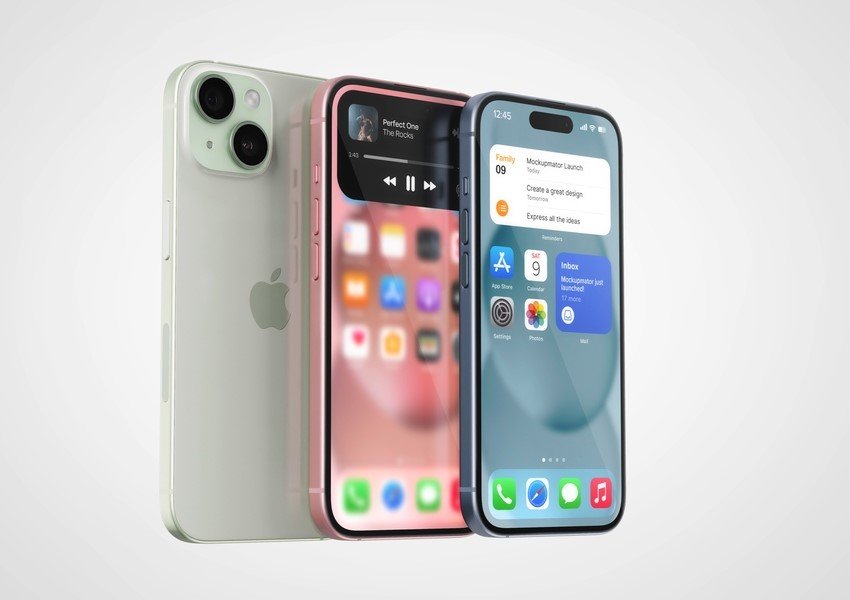
Smartphones and Wearables Redefined
Rather than focusing on raw performance, CES 2026 devices emphasized:
AI-driven personalization
Context-aware interfaces
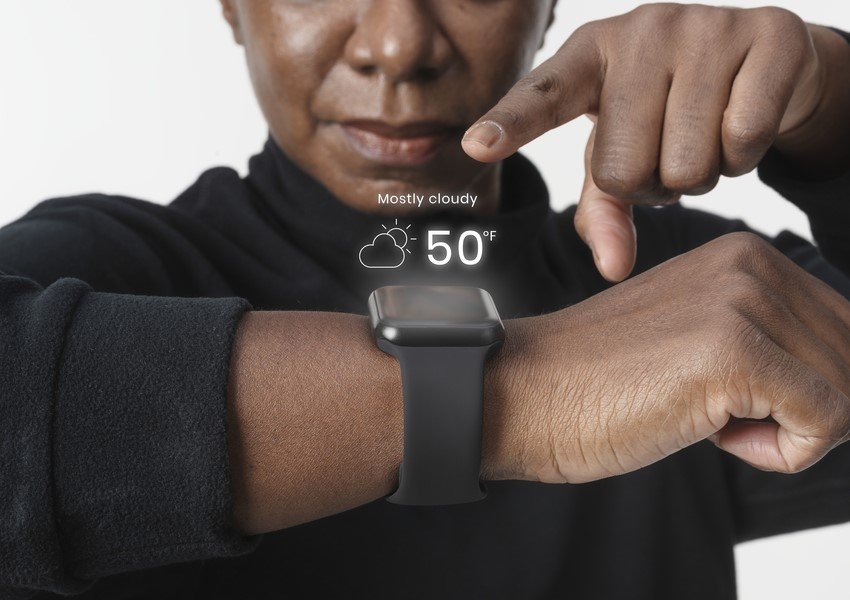
Health monitoring with predictive analytics
Wearables now function as real-time health and lifestyle intelligence systems, capable of detecting early signs of illness and stress.
Augmented Reality (AR) and Spatial Computing
AR and spatial computing were central at CES 2026:
Lightweight AR glasses replacing smartphones in many use cases
Immersive interfaces for work, education, and entertainment
Seamless blending of physical and digital environments
These technologies mark a shift toward post-smartphone computing.
Internal link suggestion: OpenAI GPT-5 2026: Latest Breakthroughs
Robotics and Human-Machine Collaboration
Robotics at CES 2026 moved decisively beyond industrial use.
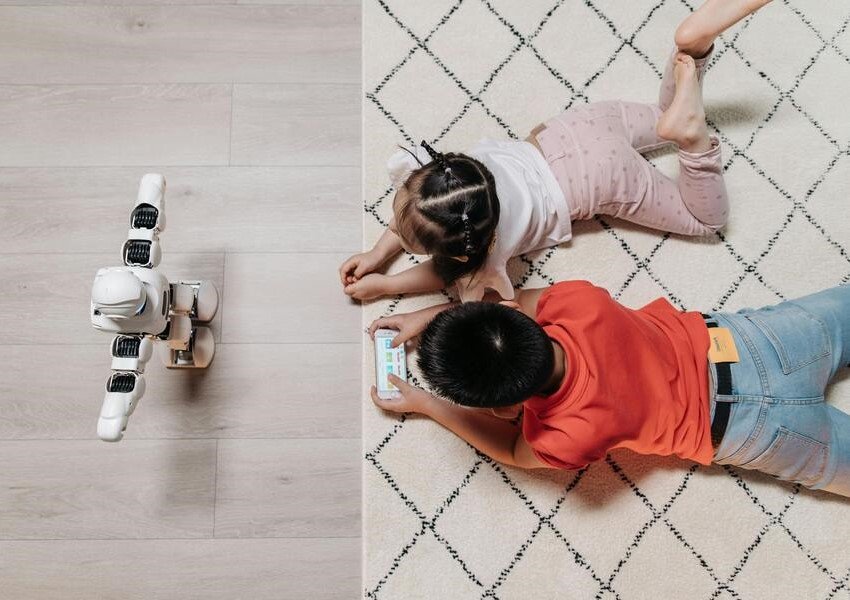
Personal and Service Robots
Robots presented at CES 2026 included:
Home assistance robots for elderly care
Autonomous delivery robots
Hospitality and customer service robots
What makes these robots revolutionary is their AI-driven adaptability and natural interaction capabilities.
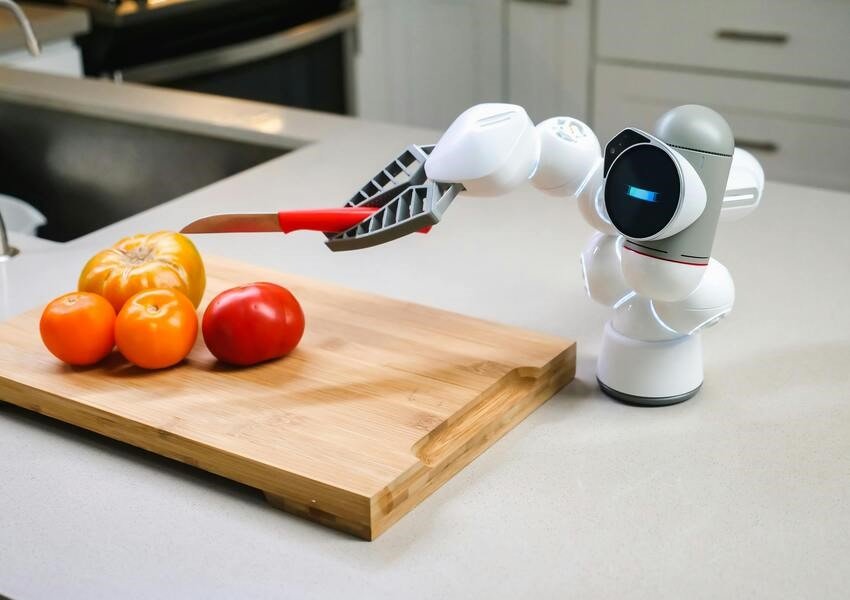
Collaborative Robots (Cobots)
In workplaces, collaborative robots now:
Learn tasks by observing humans
Adapt workflows dynamically
Improve safety and efficiency
These systems redefine productivity by enabling human-machine collaboration instead of replacement.
Sustainability and Green Technology at CES 2026
Another defining theme of CES 2026 was sustainable innovation.
Energy-Efficient AI and Hardware
Manufacturers showcased:
Low-power AI chips
Energy-efficient data processing
Edge computing solutions reducing cloud dependency
This ensures that future tech growth does not come at the cost of environmental damage.
Climate and Environmental Tech
CES 2026 featured technologies focused on:
Climate monitoring and prediction
Smart agriculture and water management
Carbon tracking and optimization
These solutions highlight how future tech can address global sustainability challenges.
External reference: Sustainable Tech at CES
Security, Privacy, and Trust in Future Tech
With increased intelligence comes increased responsibility.
At CES 2026, companies emphasized:
Privacy-by-design architectures
On-device AI processing to reduce data exposure
Transparent AI decision systems
Trust and security are no longer optional—they are core features of future technology.
What CES 2026 Tells Us About the Future
The technologies revealed at CES 2026 point to a clear future:
AI will be ambient, invisible, and always present
Devices will act autonomously, not reactively
Digital and physical worlds will fully converge
Technology will adapt to humans—not the other way around
CES 2026 confirms that we are entering an era where technology becomes an intelligent layer of reality itself.
AI Chips and Next-Generation Computing
One of the most critical highlights at CES 2026 was the evolution of AI-specific hardware.
Purpose-Built AI Chips
Traditional CPUs and GPUs have limitations when running complex AI models in real time. At CES 2026, companies introduced purpose-built AI chips designed for:
High-performance inference at low latency
Edge AI deployment, reducing cloud dependency
Energy efficiency, crucial for sustainable AI
These chips are smaller, faster, and consume up to 70% less power compared to previous generations, making AI ubiquitous in everyday devices.
Internal link suggestion: Best AI-Powered Laptops for Creators 2025
Neuromorphic Computing
Neuromorphic chips, inspired by the human brain, were a major focus:
Simulate neural networks more efficiently
Enable real-time learning and decision-making
Ideal for autonomous robots, drones, and IoT devices
CES 2026 demonstrated fully functional neuromorphic processors that can process sensory inputs in milliseconds, creating devices that can react and adapt almost like living systems.
Edge AI Devices
With edge computing, AI computation happens locally rather than in the cloud, reducing latency and increasing privacy. Examples at CES 2026 included:
AI-powered cameras analyzing security footage in real time
Smart home devices anticipating behavior without sending data externally
Wearables performing real-time health monitoring and anomaly detection
This trend marks a shift from centralized AI to distributed, ambient intelligence.
External reference: Edge AI Trends 2026
Quantum Computing Breakthroughs
Quantum computing emerged as another game-changer at CES 2026. While still in its early adoption phase, several disruptive applications were showcased.
Quantum Processors
Companies presented quantum processors capable of:
Solving complex optimization problems in seconds
Running AI simulations far beyond classical computing
Accelerating drug discovery and materials science research
The quantum revolution promises to complement AI systems, creating hybrid architectures that combine classical, AI, and quantum computing.
Quantum Networking
Quantum encryption and networking technologies demonstrated:
Ultra-secure communication channels
Reduced risk of cyberattacks in sensitive systems
Applications in finance, healthcare, and government
These innovations show that future tech at CES 2026 is not just about performance—it’s about trust and security.
Internal link suggestion: Rise of Deepfake Scams 2025: How to Stay Protected
Next-Generation Connectivity: 6G and Beyond
Connectivity was a central theme at CES 2026. While 5G has gained global adoption, 6G technology is already emerging.
Ultra-Low Latency and High Bandwidth
6G promises:
Data speeds exceeding 1 Tbps
Latency as low as 0.1 milliseconds
Seamless integration of billions of IoT devices
This enables real-time AI computation across networks, powering autonomous vehicles, smart cities, and immersive experiences.
Holographic and Spatial Communication
CES 2026 showcased holographic communication prototypes, allowing:
Realistic remote meetings
Remote collaboration in education and engineering
Integration with AR/VR for immersive experiences
6G is not just faster—it enables entirely new forms of digital interaction.
External reference: 6G Future Connectivity
Robotics and Autonomous Systems
Robotics at CES 2026 went beyond industrial use, highlighting human-centric, adaptive systems.
Autonomous Vehicles and Mobility
Autonomous vehicles (AVs) were a major highlight:
Full Level 5 AV prototypes capable of operating without human intervention
AI-driven predictive navigation optimizing traffic and energy use
Electric and hybrid models with advanced battery technology and regenerative energy systems
CES 2026 emphasized mobility as a service (MaaS), where transportation integrates seamlessly with smart city infrastructure.
Personal and Service Robots
Robots for home and public service included:
Elderly care companions monitoring health metrics
AI-driven logistics robots for last-mile delivery
Service robots for hospitality, retail, and entertainment
These systems are autonomous, learning, and adaptive, capable of collaborating with humans safely.
Collaborative Industrial Robots
Cobots—robots designed to work alongside humans—demonstrated:
Safety-first interaction
AI-driven learning of complex assembly tasks
Integration with predictive maintenance systems
Robotics at CES 2026 shows that machines will augment human capabilities rather than replace them.
Internal link suggestion: Robotics Innovations in 2026
Immersive Technologies: AR, VR, and Spatial Computing
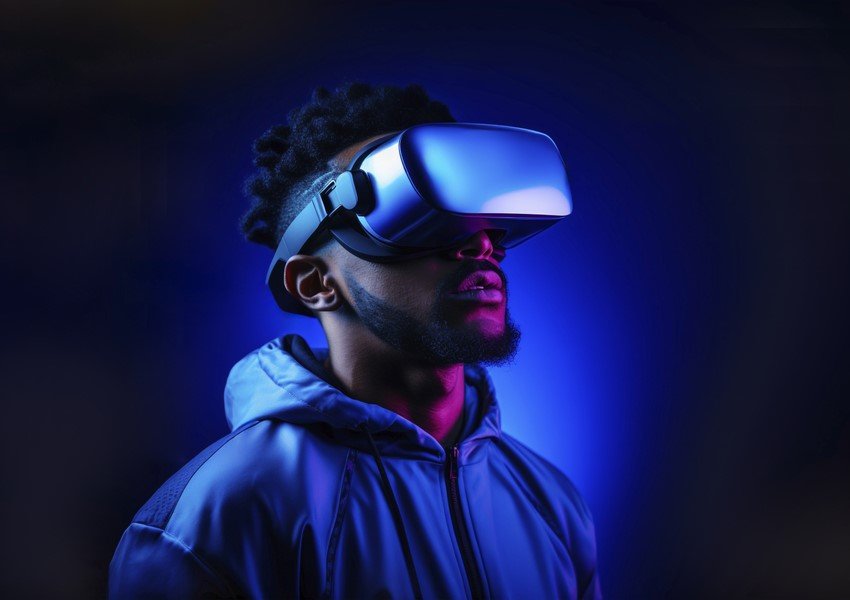
CES 2026 highlighted post-smartphone interfaces, including augmented reality (AR), virtual reality (VR), and spatial computing.
AR Glasses and Wearables
AR devices at CES 2026 are lighter, more powerful, and AI-enabled:
Real-time translation and object recognition
Adaptive interfaces responding to user context
Integration with productivity tools and social platforms
VR and Immersive Experiences
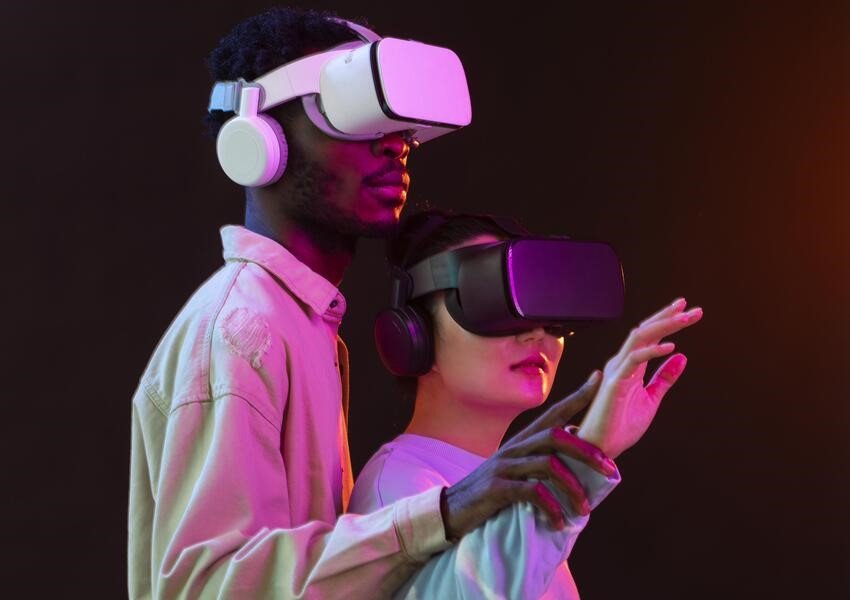
VR experiences have become fully sensory, with haptics, spatial audio, and AI-driven content personalization. These applications are transforming:
Gaming and entertainment
Remote education and training
Virtual tourism and real estate
Spatial Computing
Spatial computing combines AR, VR, and AI to create intelligent, interactive environments:
Offices and classrooms become fully immersive
Smart factories optimize workflows using spatial AI
Healthcare simulations improve surgical training and diagnostics
External reference: AR and Spatial Computing
Wearables and Health Tech Revolution
Health-focused devices stole the spotlight at CES 2026, merging AI, sensors, and predictive analytics.
Advanced Health Monitoring
Next-gen wearables monitor:
Heart rate, blood oxygen, and glucose levels
Sleep quality and stress patterns
Early detection of anomalies using AI predictive models
These devices empower users to take control of their health proactively.
Personalized Wellness and Fitness
AI-driven fitness platforms integrate wearable data to provide:
Personalized workout recommendations
Nutrition and sleep coaching
Adaptive wellness plans that evolve with user progress
Internal link suggestion: AI in Health Technology
Sustainable and Green Technology
CES 2026 made sustainability a central theme, showcasing technologies that are both innovative and environmentally conscious.
Solar-powered and energy-harvesting devices
Carbon-neutral AI computing solutions
Smart home and city systems designed to reduce energy consumption
Sustainable innovation at CES 2026 demonstrates that future tech is not just powerful—it is responsible.
External reference: Sustainable Tech CES 2026
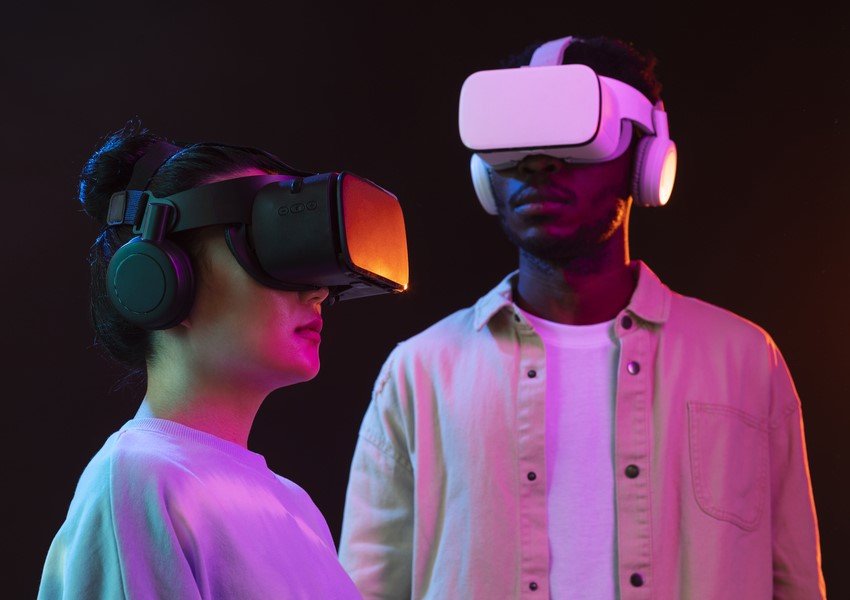
Smart Cities: The Future of Urban Living
CES 2026 presented a clear vision of smart cities, where AI, IoT, and advanced connectivity merge to create efficient, safe, and sustainable urban environments.
AI-Optimized Traffic Management
Cities are increasingly relying on AI to reduce congestion, emissions, and travel time:
AI analyzes live traffic data and predicts peak congestion
Smart traffic lights dynamically adjust based on real-time demand
Autonomous public transit systems optimize routes and reduce wait times
CES 2026 featured pilot projects demonstrating urban-scale AI orchestration, showing that smart traffic solutions can cut commute times by up to 40% in dense metropolitan areas.
External reference: McKinsey – Smart City Technologies
Energy-Efficient Infrastructure
CES 2026 showcased energy-optimized buildings and grids:
AI predicts energy demand for electricity, heating, and cooling
Smart grids integrate renewable energy and balance consumption dynamically
Sensors detect energy waste, leaks, and inefficiencies
These innovations make cities greener and more cost-effective, reducing carbon footprints while improving quality of life.
Public Safety and Emergency Services
AI enhances urban safety:
Intelligent surveillance identifies abnormal events in real time
Emergency response systems dynamically allocate resources
Predictive policing uses AI to optimize patrol schedules
CES 2026 emphasized that AI safety systems must balance efficiency with privacy, implementing secure and transparent data handling.
Internal link suggestion: Related post on AI in Smart Cities
AI-Driven Mobility and Transportation
Transportation technologies at CES 2026 were designed for safety, efficiency, and autonomy.
Autonomous Vehicles (AVs)
CES 2026 featured fully autonomous Level 5 vehicles:
Cars capable of navigating urban and rural areas without human intervention
Integrated AI sensors for real-time decision-making
Predictive AI for collision avoidance and energy optimization
Autonomous vehicles are expected to reduce accidents caused by human error and increase mobility for seniors and differently-abled individuals.
Electric and Sustainable Mobility
Mobility is also becoming eco-friendly:
Electric and hybrid vehicles with next-gen battery tech
Regenerative braking and energy-efficient drivetrains
Solar-powered public transportation prototypes
External reference: Electric Vehicles CES 2026
AI-Powered Mobility as a Service (MaaS)
CES 2026 highlighted MaaS platforms:
Real-time ride-sharing optimized by AI
Integrated urban transit planning
Predictive analytics for peak demand and congestion
Mobility is no longer just about vehicles—it’s about connected urban ecosystems.
Connected Devices and IoT Expansion
The CES 2026 exhibition emphasized the ubiquity of connected devices, forming a seamless network of smart objects.
Home Automation Beyond Smart Homes
CES 2026 introduced AI-driven home systems capable of:
Learning occupants’ habits and preferences
Optimizing energy, water, and resource usage automatically
Coordinating appliances, security, and entertainment seamlessly
These systems demonstrate context-aware AI, enabling homes to act proactively rather than reactively.
IoT in Everyday Life
IoT applications are expanding beyond home automation:
Smart healthcare monitors patient conditions remotely
Connected appliances provide predictive maintenance
Retail devices track inventory and consumer behavior in real time
CES 2026 underscored that IoT devices now form integrated ecosystems, creating intelligent networks that respond dynamically to human needs.
Privacy and Data Security in Connected Devices
With billions of connected devices, CES 2026 emphasized security-first design:
Local data processing to reduce cloud dependency
AI-driven anomaly detection for potential breaches
Encryption and privacy-by-design architectures
Consumers are increasingly trusting brands that prioritize secure and ethical IoT solutions.
Consumer Tech Innovations
CES 2026 highlighted the next generation of devices and experiences for everyday users, blending utility, entertainment, and convenience.
Immersive Entertainment
Entertainment technologies now leverage AI, AR, VR, and spatial computing:
AI-curated content recommendations across multiple platforms
VR environments for gaming, social interaction, and remote learning
AR glasses and spatial computing interfaces replacing conventional screens
This makes experiences more personalized, interactive, and immersive than ever before.
AI-Enhanced Productivity Tools
CES 2026 showcased tools designed to increase productivity at work and home:
AI assistants managing schedules and communications
Smart project management platforms predicting bottlenecks
Writing, design, and coding assistants powered by AI
Internal link suggestion: Best Noise-Canceling Headphones for Work and Travel in 2025
Wearables for Lifestyle and Health
Wearables were a major focus:
Health monitors detecting anomalies in real time
Adaptive fitness programs based on AI insights
Wearables integrated with smart homes and vehicles for seamless interaction
External reference: CES Wearables 2026
Robotics in Daily Life
Robotics innovation at CES 2026 went far beyond industrial applications.
Personal Service Robots
Robots designed for home and public service now:
Assist with elderly care and healthcare monitoring
Deliver packages autonomously
Act as guides in public spaces, hotels, and airports
These robots leverage AI for natural interaction and adaptive behavior, creating new possibilities for daily convenience.
Collaborative Industrial Robots
Industrial robots now work safely alongside humans, learning tasks dynamically:
Optimizing manufacturing workflows
Reducing workplace accidents
Integrating with AI predictive analytics for maintenance
CES 2026 showed that robotics is transitioning from replacement to augmentation, enhancing human efficiency rather than substituting it.
Next-Gen Automotive Technologies
Automotive tech at CES 2026 is moving beyond autonomy and electrification.
Smart Cockpit Experiences
Vehicles now integrate AI for:
Personalized dashboards and interfaces
Context-aware infotainment and communication
Adaptive driving assistance
Vehicle-to-Everything (V2X) Communication
Connected vehicles communicate with infrastructure, other vehicles, and pedestrians, enabling:
Safer roads
Optimized traffic flow
Reduced environmental impact
CES 2026 demonstrated that cars are no longer isolated machines—they are nodes in a broader AI-driven mobility network.
Sustainability and Eco-Friendly Tech in Urban Life
CES 2026 highlighted technologies designed for sustainable urban living:
Smart lighting and energy-efficient appliances
Waste management using AI and IoT
Urban planning tools integrating real-time environmental data
These innovations demonstrate that future tech is designed not just for convenience, but for ecological responsibility.
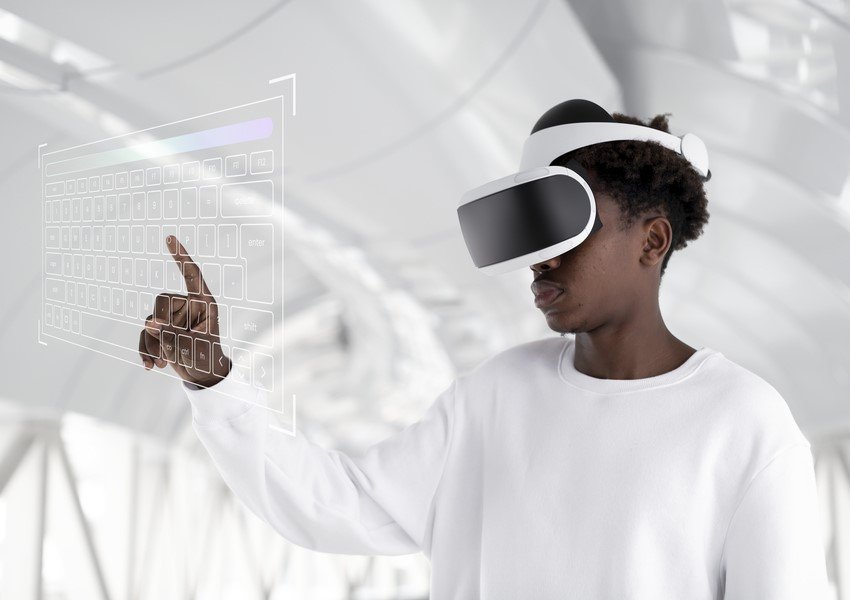
The Transformative Power of CES 2026 Technologies
CES 2026 was not merely a showcase of gadgets—it was a vision of how technology will redefine the human experience. From the first three parts, the most impactful takeaways include:
AI as the Core Technology
AI has moved from simple automation to autonomous, predictive systems capable of reasoning, learning, and adapting in real time.
AI integration spans smart homes, cities, transportation, consumer devices, and healthcare, making it the backbone of future tech.
Connected Ecosystems Over Individual Devices
Devices now operate in intelligent networks, interacting seamlessly with one another.
From IoT-enabled homes to vehicle-to-everything (V2X) communication, ecosystems replace isolated devices, enhancing convenience and efficiency.
Human-Centric Design and Collaboration
Robotics, AI assistants, and immersive devices focus on augmenting human capabilities, rather than replacing them.
CES 2026 emphasizes co-robotics, collaborative AI, and context-aware systems designed to improve productivity, safety, and quality of life.
Sustainability Embedded in Innovation
Energy-efficient chips, smart grids, green mobility, and eco-conscious consumer electronics demonstrate that future tech must align with environmental responsibility.
Sustainability is now a core metric of technological advancement.
Immersive and Spatial Computing
Augmented reality, virtual reality, and spatial computing redefine interaction, communication, and entertainment.
These technologies create fully immersive, personalized, and context-aware experiences in work, education, gaming, and social engagement.
Emerging Trends from CES 2026
CES 2026 revealed trends that will shape the next 5–10 years:
Hyper-Personalized AI
AI systems now understand context, preferences, and behavior, delivering hyper-personalized experiences.
Applications include personalized health interventions, educational pathways, work productivity tools, and entertainment experiences.
CES 2026 highlighted how AI is moving from reactive assistants to proactive life management systems.
Edge AI and On-Device Intelligence
Edge AI ensures low-latency processing, enhanced privacy, and localized decision-making.
Devices—from smartphones to wearables and industrial sensors—perform real-time analytics without cloud dependency.
This shift enables autonomous systems to operate efficiently and securely.
Quantum and Hybrid Computing
CES 2026 demonstrated hybrid architectures combining AI, classical, and quantum computing.
Quantum breakthroughs will accelerate drug discovery, material sciences, cryptography, and AI model training.
Businesses that leverage hybrid computing will gain strategic advantages in research and innovation.
Next-Generation Connectivity: 6G
Ultra-low latency and terabit-per-second speeds enable real-time immersive experiences, holographic communications, and massive IoT integration.
6G transforms mobility, smart cities, and remote collaboration, laying the groundwork for hyperconnected ecosystems.
Autonomous and AI-Powered Mobility
Autonomous vehicles (Level 5) and AI-powered public transport are moving beyond experimental stages.
Mobility-as-a-Service (MaaS) platforms integrate AVs, electric vehicles, and smart city infrastructure to reduce congestion, emissions, and human error.
Future transport will be predictive, safe, and environmentally friendly.
Robotics Integration in Everyday Life
Personal service robots, collaborative industrial robots, and autonomous delivery systems are AI-driven and context-aware.
Robotics at CES 2026 shows the shift from industrial automation to human-augmenting solutions that enhance convenience, productivity, and safety.
Ethical Considerations and Responsible AI
With great technological power comes great responsibility. CES 2026 also highlighted ethical and societal implications of future tech.
Privacy and Data Security
Connected devices, AI assistants, and smart cities rely on large-scale data collection.
CES 2026 emphasized privacy-by-design approaches, on-device processing, and secure cloud systems to protect users.
Bias and Fairness in AI
AI systems must avoid reinforcing biases present in historical datasets.
Responsible AI requires transparent algorithms, diverse datasets, and continuous monitoring.
Businesses that ignore ethical AI risk reputational damage and regulatory penalties.
Sustainability and Energy Consumption
High-performance computing, AI, and connectivity consume significant energy.
CES 2026 showcased green computing solutions, energy-efficient AI chips, and sustainable manufacturing practices, demonstrating that innovation must coexist with environmental responsibility.
Implications for Individuals
CES 2026 future tech directly impacts how people live, work, and interact with technology:
Smart Homes and Personal AI Assistants
Homes learn user habits, manage energy, and optimize comfort automatically.
AI assistants coordinate schedules, reminders, and even health interventions.
Health and Wellness Empowerment
Wearables and predictive AI enable early detection of health issues.
Personalized fitness, sleep, and stress management programs improve lifestyle outcomes.
Immersive Work and Learning Environments
AR, VR, and spatial computing enable remote collaboration, training simulations, and interactive education.
Individuals experience more efficient, engaging, and adaptable learning and work environments.
Mobility and Daily Convenience
Autonomous vehicles and smart city infrastructure reduce commute times, optimize routes, and enhance safety.
IoT-enabled devices anticipate needs, creating seamless, intelligent living environments.
Implications for Businesses
Businesses must adapt to remain competitive in the era of CES 2026 future tech:
AI Adoption: Integrate AI across operations for predictive analytics, workflow optimization, and customer personalization.
Connected Ecosystems: Leverage IoT and smart devices for operational efficiency and consumer engagement.
Sustainable Practices: Invest in energy-efficient infrastructure and sustainable product design.
Workforce Transformation: Upskill employees to work alongside AI, robotics, and advanced technologies.
Ethical Compliance: Ensure responsible AI usage, data privacy, and regulatory alignment.
Organizations embracing these trends will lead industries, drive innovation, and create long-term resilience.
Global Impact and Societal Transformation
CES 2026 innovations have implications beyond individuals and businesses—they will reshape society:
Smart Cities improve urban living, sustainability, and public safety.
Autonomous Mobility reduces accidents, traffic congestion, and carbon emissions.
Healthcare and Wellness Tech democratizes access to preventive care and personalized treatment.
Connected Devices enhance accessibility, convenience, and productivity for global populations.
Sustainability-Driven Design helps address climate change while supporting technological growth.
CES 2026 demonstrates that future tech is not just about gadgets—it is about transforming societal structures and improving quality of life.
Challenges to Overcome
Despite remarkable innovations, CES 2026 highlighted ongoing challenges:
Cybersecurity Risks: Increased connectivity creates larger attack surfaces.
AI Accountability: Transparent, explainable AI is essential for trust.
Digital Divide: Ensuring equitable access to advanced technologies remains critical.
Environmental Impact: High-energy AI models and electronics production must be managed sustainably.
Regulatory Frameworks: Governments must develop policies that balance innovation, privacy, and safety.
Addressing these challenges is essential to realize the full potential of CES 2026 technologies.
Future Outlook: The Next Decade
CES 2026 provides a roadmap for the next 10 years:
2026–2028: Early adoption of AI-powered ecosystems, wearables, and autonomous mobility.
2028–2030: Widespread deployment of 6G networks, edge AI devices, and smart city infrastructure.
2030 and beyond: Fully autonomous AI systems, immersive spatial computing, and global adoption of sustainable tech.
By 2030, daily life, work, mobility, and entertainment will be radically transformed, driven by technologies unveiled at CES 2026.
Final Key Takeaways
CES 2026 demonstrates that AI, quantum computing, 6G, robotics, and connected devices will reshape everyday life.
Smart cities and mobility ecosystems will improve urban living, sustainability, and safety.
Ethical, secure, and sustainable design is critical for responsible technology adoption.
Individuals, businesses, and governments must prepare for hyperconnected, AI-driven, and immersive environments.
Future technology is not optional—it is inevitable, and proactive adaptation is essential.
Conclusion
CES 2026 confirms that the future is here—and it will change everything. Technologies once considered futuristic are now tangible, functional, and transformative. From AI-driven smart cities and autonomous mobility to immersive AR/VR experiences, wearable health monitors, and sustainable computing, CES 2026 sets the stage for a technologically intelligent and environmentally responsible world.
Those who embrace, understand, and responsibly implement these innovations will be well-positioned to thrive in the next era of human experience. CES 2026 is not just a showcase of gadgets—it is a blueprint for the future of everyday life, reshaping how humans interact with technology, each other, and the environment.
Continue Exploring CES 2026 Insights
External Links for Authority:

“CES 2026 is not just showcasing new products — it is defining the technologies that will reshape industries, societies, and everyday life.”
– Aires Candido