
Table of Contents
ToggleIntroduction: The Rise of AI in Smart Homes
The smart home revolution is accelerating, and AI home gadgets in 2025 are leading the charge. From intelligent lighting systems to AI-powered security devices, these gadgets provide automation, convenience, and personalized experiences like never before.
AI integration allows smart homes to:
Learn user habits and preferences
Predict daily routines for enhanced convenience
Optimize energy usage for sustainability
Provide real-time security and safety monitoring
Why AI Gadgets Are Essential in 2025
AI gadgets are no longer luxury items—they are core components of modern smart homes. In 2025, AI devices are expected to provide:
Context-aware automation: Lights, heating, and appliances adjust based on presence and preferences
Predictive intelligence: Appliances and systems anticipate needs to reduce manual control
Seamless integration: Unified platforms connect devices via AI-powered hubs like Amazon Alexa, Google Home, or Apple HomeKit
Internal Link:
See our post “Best AI-Powered Laptops for Creators 2025” for AI hardware trends that complement smart home devices.
Key AI Technologies in Home Gadgets
AI Voice Assistants
Voice-controlled AI hubs allow hands-free control over home appliances. Advanced natural language understanding in 2025 enables:
Contextual commands (“Turn on the lights in the living room and set the temperature to 22°C”)
Multi-step automation sequences
Personalized routines for each household member
External Reference: Amazon Alexa AI
AI-Powered Sensors
Sensors equipped with AI provide real-time insights and automation:
Motion and occupancy detection for lighting and HVAC
Environmental monitoring for air quality, humidity, and temperature
Predictive maintenance alerts for home appliances
AI Security & Surveillance
AI cameras and smart doorbells now include:
Facial recognition for family members vs unknown visitors
Activity pattern analysis for security alerts
Integration with mobile apps for remote monitoring
External Reference: Ring Security AI
Smart Appliances with AI
From refrigerators to ovens, AI integration allows:
Automated meal suggestions based on inventory
Energy-efficient operation based on usage patterns
Predictive maintenance to reduce appliance downtime
Benefits of AI Gadgets for Smart Living
Convenience: Automate daily tasks like lighting, heating, and cleaning
Energy Efficiency: AI optimizes power usage, saving money and reducing carbon footprint
Safety: AI detects unusual activity and alerts homeowners instantly
Personalization: Homes learn user habits for tailored experiences
Health Monitoring: Air quality sensors, smart beds, and AI fitness gadgets support wellness
Emerging Trends in AI Home Gadgets 2025
Multi-Device Integration
AI platforms increasingly synchronize multiple devices, creating unified automation routines across lights, appliances, and security systems.
Edge AI Processing
Devices now perform AI computations locally, reducing latency and increasing privacy
Examples: Smart cameras analyzing video on-device before sending alerts
Predictive Lifestyle Features
AI predicts when to turn on lights, start coffee machines, or adjust room temperature
Personalized notifications remind users of daily routines
Voice and Gesture Control
Advanced voice recognition and hand gesture interfaces reduce physical interaction with devices
Enhances accessibility for all household members
External Reference: TechRadar Smart Home Trends 2025
Challenges and Considerations
While AI home gadgets provide convenience, there are considerations:
Privacy: Cameras, microphones, and sensors collect personal data
Compatibility: Not all devices work seamlessly with every ecosystem
Cost: High-end AI devices may require substantial initial investment
Over-reliance: Dependence on AI may reduce manual control or flexibility
Internal Link:
For smart devices with AI-assisted optimization, see our post “Best AI-Powered Laptops for Creators 2025” as reference for AI ecosystem integration.
AI Voice Assistants & Smart Hubs
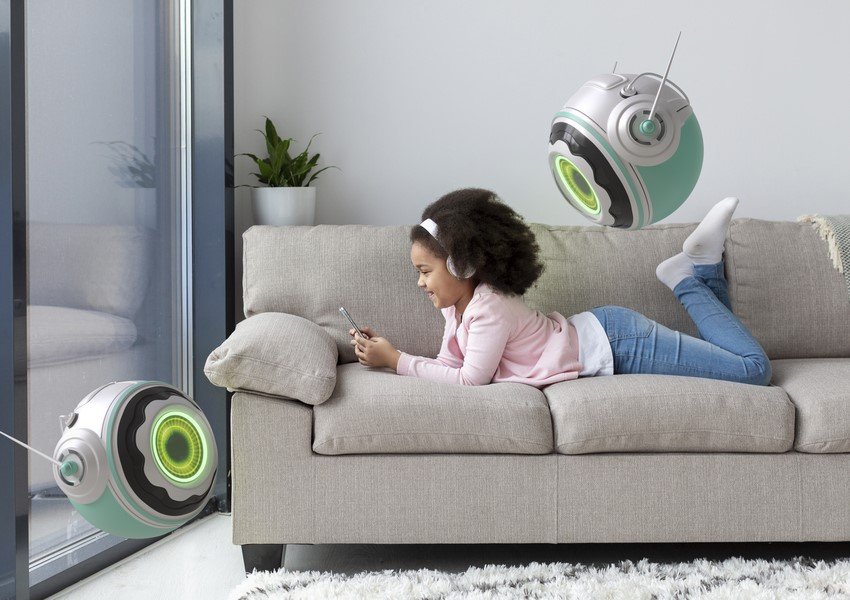
AI voice assistants remain the centerpiece of smart homes in 2025. They serve as the command hub, integrating multiple devices for seamless automation.
Amazon Echo 2025 (Alexa)
Features: Multi-room audio, voice control for lights, security, appliances
AI Capabilities: Context-aware commands, routines that learn user behavior, predictive suggestions
Benefit: Automates daily tasks, such as turning on lights, starting coffee makers, or adjusting thermostats
External Reference: Amazon Alexa Smart Home
Google Nest Hub Max
Features: Voice and touch interface, video calls, security camera integration
AI Capabilities: Facial recognition, personalized reminders, energy-saving automation
Benefit: Personalized experience for every family member
Internal Link:
Check out our post “Best Gaming Laptops 2025: Performance and Features” for devices capable of running companion AI apps for smart hubs.
AI-Powered Smart Lighting
Smart lighting in 2025 uses AI to adapt brightness, color, and schedules based on presence, time of day, and personal preferences.
Philips Hue AI 2025
Features: Adaptive lighting, voice control, integration with home hubs
AI Capabilities: Learns your routine, adjusts lighting automatically for mood, work, or relaxation
Benefit: Enhances comfort, productivity, and energy efficiency
LIFX Smart Bulbs
Features: Wi-Fi enabled, no hub required, extensive color options
AI Capabilities: Predictive scene setting based on historical use and activity
Benefit: Reduces manual adjustments, saves electricity
External Reference: Philips Hue AI Lighting
AI Home Appliances
AI integration in home appliances transforms daily chores and lifestyle management.
Samsung Smart Refrigerator
Features: Inventory tracking, expiration notifications, recipe suggestions
AI Capabilities: Suggests meals based on available ingredients, tracks dietary preferences
Benefit: Reduces food waste, streamlines meal planning
iRobot Roomba AI 2025
Features: Self-learning cleaning paths, room mapping, smart schedule integration
AI Capabilities: Optimizes cleaning based on room usage patterns and foot traffic
Benefit: Saves time and energy, maintains cleaner living spaces automatically
External Reference: iRobot Roomba AI Features
AI Security Gadgets
Smart homes rely on AI for enhanced security and peace of mind.
Ring AI Video Doorbell 2025
Features: Motion detection, HD video, smartphone notifications
AI Capabilities: Facial recognition, package detection, suspicious activity alerts
Benefit: Protects your home with real-time AI monitoring
Arlo AI Security Cameras
Features: 4K video, night vision, cloud recording
AI Capabilities: Detects humans, pets, vehicles, and unusual activity
Benefit: Minimizes false alerts and ensures safety monitoring
Internal Link:
For AI efficiency in smart security, see our guide “Top 5 Laptops for Creators — 2025 Tech Reviews”, which discusses compatible AI ecosystems.
AI-Enhanced Climate Control
Maintaining the perfect indoor environment is now AI-driven.
Nest Learning Thermostat 2025
Features: Learns your schedule, adapts temperature and humidity
AI Capabilities: Predicts optimal climate settings for comfort and energy savings
Benefit: Reduces energy bills and improves home comfort
Ecobee Smart Thermostat
Features: Remote sensors, voice control, multi-zone temperature management
AI Capabilities: Uses historical patterns and real-time occupancy for automated adjustments
Benefit: Enhances convenience and reduces environmental footprint
AI Personal Assistants for Wellness
AI gadgets now focus on health and lifestyle optimization.
AI Smart Beds
Features: Sleep tracking, temperature regulation, motion sensing
AI Capabilities: Adjusts firmness and temperature based on sleep patterns
Benefit: Improves sleep quality and personal wellness
AI Air Purifiers
Features: Smart sensors for pollutants, adjustable airflow, app control
AI Capabilities: Auto-adjusts filtration and alerts for air quality issues
Benefit: Protects health while minimizing manual maintenance
External Reference: Dyson AI Air Purifiers
Integration & Smart Living Ecosystem
All AI home gadgets in 2025 thrive within an integrated ecosystem, controlled via:
Voice assistants (Alexa, Google Assistant, Siri)
Smartphone apps
Smart hubs (Apple HomeKit, Samsung SmartThings)
Benefits of Integration:
Devices communicate to automate routines (lights, climate, appliances)
Centralized control reduces friction and simplifies management
AI learns household patterns for seamless automation
Internal Link:
See “Cybersecurity for Enterprises: 7 Strategies to Protect Business Assets” for devices that support AI integration with smart home apps.


AI Security Systems: Next-Level Protection
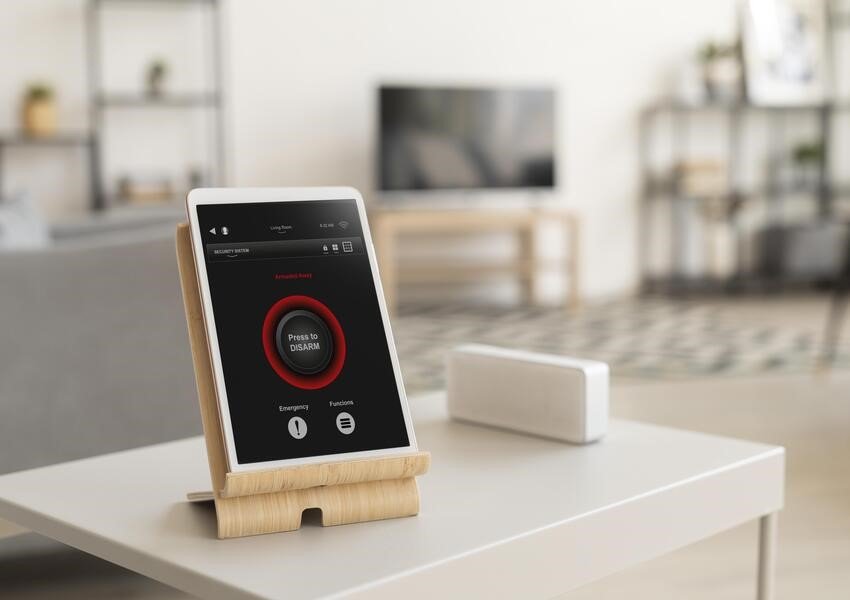
Security is a top priority in 2025 smart homes. AI-driven systems now go beyond cameras and alarms, offering real-time analysis and proactive protection.
Deep Sentinel AI Security
Features: 24/7 surveillance, on-device AI processing, live alerts
AI Capabilities: Detects suspicious behavior, reduces false alarms, allows remote monitoring
Benefit: Professional-grade home security without constant human supervision
SimpliSafe AI Home Security
Features: Smart sensors, mobile alerts, automated emergency calls
AI Capabilities: Learns daily patterns to distinguish normal vs. unusual activity
Benefit: Minimizes false alarms and increases confidence in home safety
External Reference: SimpliSafe AI Security
Smart Locks & Access Control
AI-enabled smart locks provide facial recognition, voice authentication, and temporary access codes
Examples: August Smart Lock Pro, Yale AI Smart Lock
Benefit: Secure entry management without physical keys
AI Energy Management Devices
AI home gadgets in 2025 help save energy, reduce bills, and promote sustainability.
Sense Energy Monitor
Features: Tracks real-time electricity usage, identifies high-consumption devices
AI Capabilities: Predictive energy optimization based on user habits
Benefit: Reduces energy waste and monthly utility bills
Tado Smart Thermostats
Features: AI temperature regulation, weather adaptation, multi-zone control
AI Capabilities: Predicts heating/cooling needs and optimizes for efficiency
Benefit: Comfortable environment while saving energy
AI Smart Plugs & Power Strips
Examples: TP-Link Kasa Smart Plug, Eve Energy
AI Capabilities: Schedules devices, detects standby power waste, automates appliance operation
Benefit: Reduces phantom energy consumption across multiple devices
Internal Link:
For AI devices with energy optimization, see “5 Ways AI Technology Is Revolutionizing Everyday Life” for compatible smart home AI tools.
AI Environmental Monitoring
AI sensors in 2025 monitor air quality, water usage, and indoor climate, contributing to health and sustainability.
Netatmo Smart Air Quality Monitor
Features: Measures CO2, humidity, temperature
AI Capabilities: Sends alerts when air quality drops and recommends adjustments
Benefit: Protects respiratory health and improves living comfort
AI Water Leak Sensors
Detect leaks, monitor humidity, and prevent water damage
Examples: Flo by Moen, Phyn Smart Water Assistant
Benefit: Early detection reduces costly repairs
Multi-Room Climate Sensors
Monitor temperature, humidity, and occupancy in each room
AI integration adjusts HVAC or heating for optimal comfort and efficiency
AI Smart Surveillance Drones
Advanced homes now include AI-enabled drones for perimeter monitoring and emergency response.
Patrol property on schedule or on demand
Detect unusual activity using computer vision
Integrate with smart home systems for alerts and automated lighting activation
External Reference: DJI AI Drone Security Solutions
AI-Enhanced Home Health Devices
AI devices for wellness are increasingly connected to the smart home ecosystem.
Smart Beds with Sleep AI
Adjusts firmness, temperature, and position
Tracks sleep patterns and provides AI-driven recommendations
AI Air Purifiers
Detect pollutants, allergens, and VOCs
AI automatically adjusts fan speed and filtration level
Examples: Dyson Pure Cool AI, Molekule Air Purifier
Smart Fitness & Wellness Monitors
Wearables and room devices integrated with AI hubs
Provides real-time feedback and personalized fitness guidance
Internal Link:
For AI devices that optimize lifestyle, see “Best AI-Powered Laptops for Creators 2025” to manage apps and smart device dashboards.
Integrated AI Home Automation Scenarios
In 2025, AI gadgets work together for holistic smart living:
Morning Routine Automation:
Lights gradually brighten, coffee machine starts, thermostat adjusts to comfort
Security cameras ensure doors are locked
Energy & Climate Optimization:
HVAC and smart plugs adjust based on occupancy and historical patterns
AI monitors energy usage and recommends savings
Security & Emergency Response:
AI surveillance detects unusual activity, notifies owners, triggers smart locks, and alerts authorities if needed
Wellness & Health Integration:
AI monitors air quality, sleep, and activity levels
Devices adjust environment for comfort and health
External Reference: Smart Home AI Integration Trends 2025
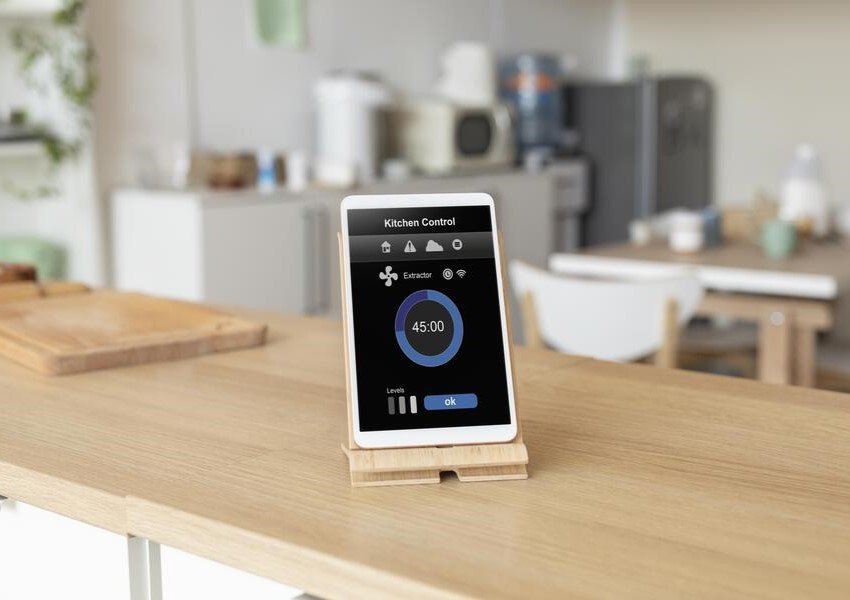
AI Home Gadget Buying Guide
Selecting the right AI gadgets for your home in 2025 requires evaluating compatibility, performance, and usability. Key considerations include:
Compatibility with Smart Ecosystems
Ensure devices integrate with Amazon Alexa, Google Assistant, Apple HomeKit, or Samsung SmartThings
Devices that work seamlessly together maximize automation potential
AI Capabilities
Look for predictive AI features: routines, energy optimization, and security alerts
Devices with on-device AI processing offer faster response and better privacy
Ease of Setup and Use
Prioritize gadgets with intuitive apps and interfaces
Voice control and automated routines reduce manual effort
Reliability and Support
Check warranty, software updates, and customer support availability
AI devices often require updates to maintain predictive accuracy
Affordability vs Features
High-end devices offer advanced AI but come at a premium
Mid-range gadgets may provide most essential features while being cost-effective
Recommended AI Home Gadgets by Category
| Category | Top AI Gadgets 2025 | Key Features | Amazon Affiliate Link |
|---|---|---|---|
| Voice Assistant & Smart Hub | Amazon Echo 2025 | Context-aware routines, multi-room control | Buy on Amazon |
| Smart Lighting | Philips Hue AI 2025 | Adaptive lighting, energy-efficient, mood presets | Buy on Amazon |
| Smart Appliances | Samsung AI Refrigerator | Inventory tracking, recipe suggestions, predictive alerts | Buy on Amazon |
| Home Cleaning | iRobot Roomba AI 2025 | Self-learning cleaning paths, app integration | Buy on Amazon |
| Security | Ring AI Video Doorbell 2025 | Facial recognition, activity alerts, remote monitoring | Buy on Amazon |
| Climate Control | Nest Learning Thermostat 2025 | Predictive temperature control, energy optimization | Buy on Amazon |
| Wellness & Health | Dyson AI Air Purifier | Auto-adjust filtration, air quality monitoring | Buy on Amazon |
Tip: Encourage readers to combine multiple devices in a single ecosystem for maximum automation and convenience.
Future Trends in AI Smart Homes
Looking ahead, AI home gadgets in 2025 and beyond will focus on:
Greater Multimodal Integration
AI devices will combine text, voice, video, and sensor data for smarter home automation
Predictive & Proactive AI
Homes will anticipate needs, adjusting lights, climate, and security without user input
Enhanced Privacy & Edge AI
On-device AI processing reduces data sharing and improves security and latency
Sustainability and Energy Efficiency
Smart energy management will increasingly reduce environmental impact
AI Personalization
Homes will learn individual and family habits, tailoring routines to enhance comfort and productivity
External Reference: TechRadar Smart Home Trends 2025
Tips for Maximizing Your Smart Home AI Gadgets
Centralize control: Use a smart hub to manage all devices efficiently
Leverage routines: Automate morning, evening, and security sequences
Combine AI and manual oversight: Always double-check security and critical automation
Update software regularly: Ensures AI predictions stay accurate and new features are available
Integrate energy monitoring: Combine smart plugs, thermostats, and sensors to optimize consumption
Conclusion: Transform Your Living with AI in 2025
The AI home gadgets of 2025 are no longer luxury items—they are transformative tools that enhance convenience, security, energy efficiency, and overall lifestyle. Key takeaways:
Smart assistants and hubs centralize home automation
AI lighting, climate, and appliances save time, energy, and reduce manual tasks
AI security and surveillance ensure safety and peace of mind
Health and wellness gadgets monitor air quality, sleep, and personal fitness
By carefully selecting devices that integrate within a single AI ecosystem, homeowners can enjoy a fully automated, intelligent living environment.
Whether you are looking to upgrade security, improve comfort, or enhance convenience, AI home gadgets in 2025 offer tangible benefits for modern smart living.
Internal Link:
For AI hardware compatibility with home automation apps, see “Best AI-Powered Laptops for Creators 2025”.
External References:

“AI-powered gadgets turn a house into a smart home, blending convenience, security, and efficiency seamlessly.”
– Aires Candido